Amplify Merch
Why AI-Generated Images Often Aren’t Print-Ready for Merchandise

(And What You Can Do About It) 

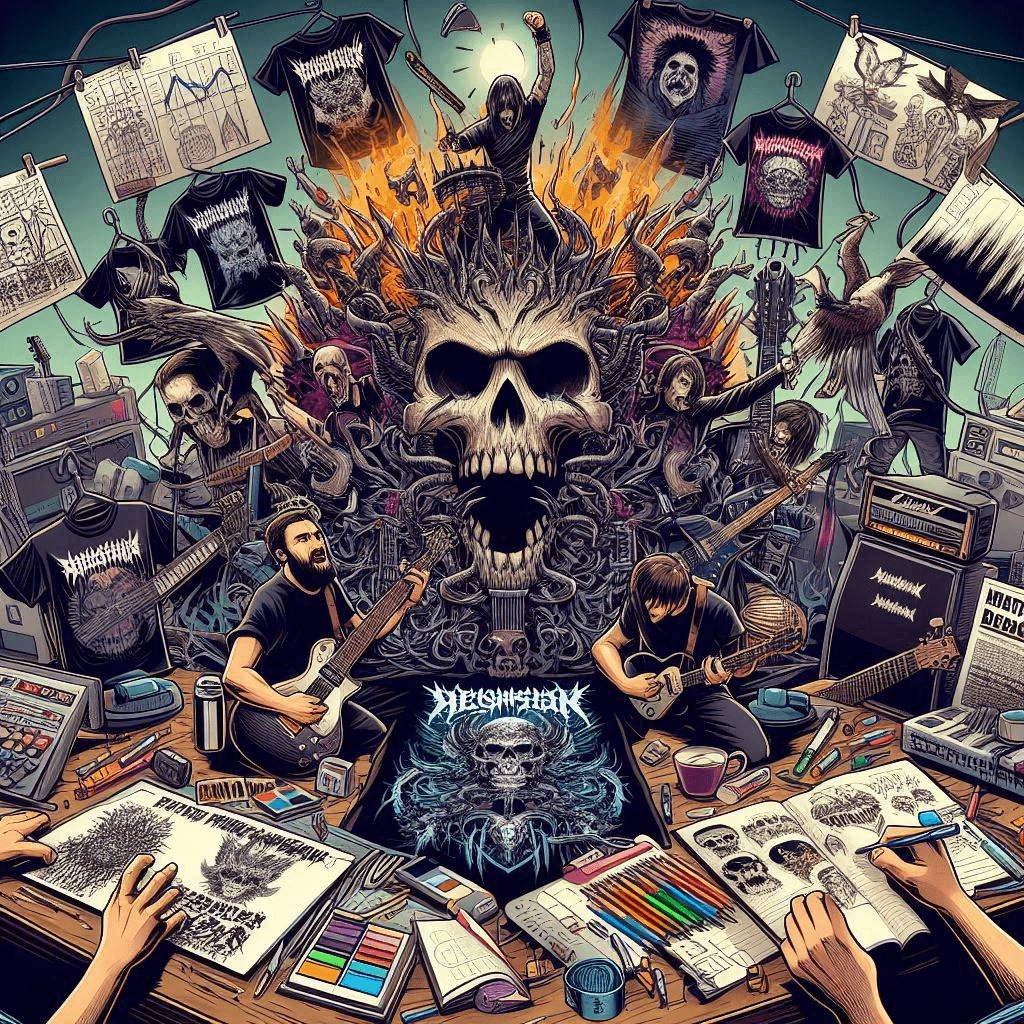
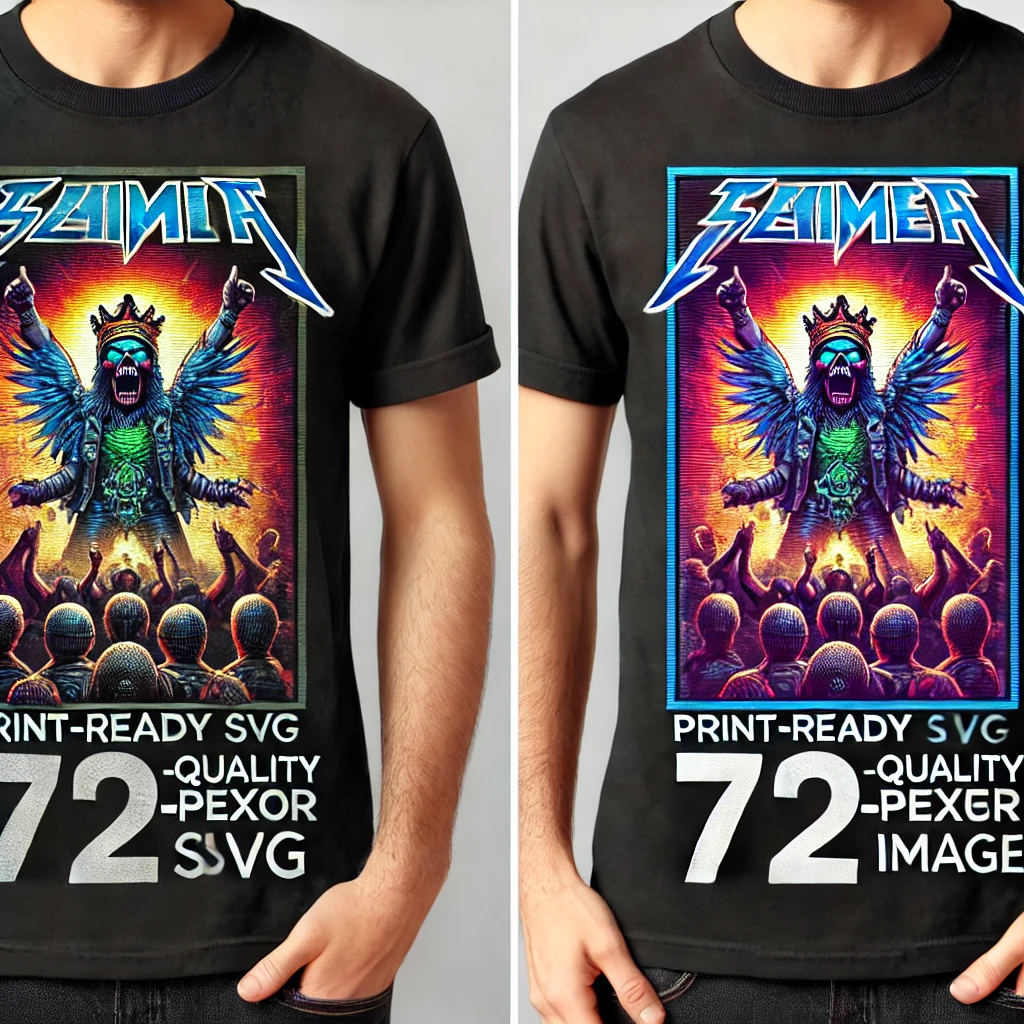
AI-generated images are revolutionizing the creative world, enabling artists, bands, and brands to create stunning visuals quickly and affordably. However, when it comes to translating those digital creations onto physical merchandise like t-shirts, posters, or mugs, many discover an inconvenient truth: AI-generated images often aren’t high-quality enough for printing.

Here’s why that happens—and how you can ensure your AI-generated designs are ready to shine on your merch.


The Problem with AI-Generated Images for Printing

AI tools are designed to generate beautiful visuals optimized for digital viewing, often at a resolution of 1024×1024 pixels. While that’s great for online platforms, it’s typically far below the quality required for high-resolution printing.

Here are the key challenges:

  1. Low Resolution:
    Print-ready files need to have a resolution of at least 300 DPI (dots per inch) to ensure clarity and detail. A 1024×1024 pixel image may look sharp on a screen but will appear blurry or pixelated when scaled up for a t-shirt or poster.
  2. File Format Issues:
    AI tools often export images in formats like JPEG or PNG, which are fine for basic use but may not include the vector-based quality necessary for certain types of merch, like screen printing.
  3. Color Profiles:
    AI-generated images often use RGB (red, green, blue) color profiles designed for screens. However, most printing requires CMYK (cyan, magenta, yellow, key/black) profiles. Without conversion, colors may appear faded or inaccurate when printed.

How to Prepare AI-Generated Images for Merch Printing

To make your AI designs merch-ready, you’ll need to upscale, enhance, and convert them. Here’s how:

1. Upscaling the Image

To increase the resolution without losing quality, use professional upscaling tools such as:

  • Adobe Photoshop: Allows you to enlarge images with AI-powered features like Preserve Details 2.0.
  • Dedicated Upscalers: Tools like Gigapixel AI or online services like Waifu2x can upscale images while maintaining sharpness.

When upscaling, aim for dimensions that meet or exceed the size of your intended print area. For example, a 12×12-inch t-shirt design at 300 DPI requires a resolution of 3600×3600 pixels.

2. Convert to Vector (If Needed)

For certain printing methods, such as screen printing or vinyl cutting, converting your image to a vector format (like SVG or EPS) ensures scalability without loss of quality. Tools like Adobe Illustrator or CorelDRAW can help with this process.

3. Adjusting the Color Profile

Ensure your image is converted from RGB to CMYK to match the printer’s requirements. Tools like Photoshop or free alternatives like GIMP allow you to change the color mode, ensuring accurate reproduction of your design’s colors.

4. File Format and Layers

Save your file in a format preferred by your printer, such as TIFF or PDF. These formats preserve detail and layers, making them ideal for editing or multi-color printing.


Tips for Better Results

  • Start with Higher Resolution AI Outputs: Some AI tools allow for larger image sizes; always choose the highest available resolution.
  • Collaborate with Designers: For complex projects, consider hiring a graphic designer to refine your image, especially if vectorization or detailed adjustments are needed.
  • Test Print: Always run a small batch test to ensure your design looks great on physical products before committing to large-scale production.

Why It’s Worth the Effort

The process of upscaling and converting AI-generated images may seem tedious, but it ensures your merchandise looks professional and appeals to your audience. Low-quality prints can leave a negative impression, while sharp, vibrant designs build your brand and satisfy your fans.

By taking the time to properly prepare your designs, you turn AI-generated inspiration into polished, sellable products that truly stand out.


Do you have questions about preparing your merch designs? Share your experiences in the comments below!

Also add in that more detailed and multi colored images can be difficult to convert and may be more expensive to print, increasing the costs

Why AI-Generated Images Often Aren’t Print-Ready for Merchandise (And What You Can Do About It)

AI-generated images are revolutionizing the creative world, enabling artists, bands, and brands to create stunning visuals quickly and affordably. However, when it comes to translating those digital creations onto physical merchandise like t-shirts, posters, or mugs, many discover an inconvenient truth: AI-generated images often aren’t high-quality enough for printing.

Here’s why that happens—and how you can ensure your AI-generated designs are ready to shine on your merch.


The Problem with AI-Generated Images for Printing

AI tools are designed to generate beautiful visuals optimized for digital viewing, often at a resolution of 1024×1024 pixels. While that’s great for online platforms, it’s typically far below the quality required for high-resolution printing.

Here are the key challenges:

  1. Low Resolution:
    Print-ready files need to have a resolution of at least 300 DPI (dots per inch) to ensure clarity and detail. A 1024×1024 pixel image may look sharp on a screen but will appear blurry or pixelated when scaled up for a t-shirt or poster.
  2. File Format Issues:
    AI tools often export images in formats like JPEG or PNG, which are fine for basic use but may not include the vector-based quality necessary for certain types of merch, like screen printing.
  3. Color Profiles:
    AI-generated images often use RGB (red, green, blue) color profiles designed for screens. However, most printing requires CMYK (cyan, magenta, yellow, key/black) profiles. Without conversion, colors may appear faded or inaccurate when printed.
  4. Complexity of Detailed and Multi-Colored Images:
    AI-generated images with intricate details or a wide range of colors can be challenging to reproduce. Translating these designs into print-ready formats often requires significant work, including separating colors for certain printing methods (like screen printing) or simplifying the design to reduce costs.

How Complexity Impacts Printing Costs

When an AI design has many fine details or uses a wide spectrum of colors, the production process becomes more time-intensive and expensive. Here’s why:

  • Color Separation: For screen printing, each color in the design requires its own screen. Multi-colored designs increase both setup time and material costs.
  • Higher Ink Costs: Full-color printing or designs with gradients and shading often require more ink and specialized printing techniques like direct-to-garment (DTG) printing, which can raise costs.
  • Complexity in Adjustments: Simplifying or converting detailed images into print-ready formats often requires professional intervention, adding design labor costs to the overall expense.

As a result, overly intricate AI-generated designs may not be cost-effective for smaller print runs or certain types of merchandise.


How to Prepare AI-Generated Images for Merch Printing

To make your AI designs merch-ready, you’ll need to upscale, enhance, and convert them. Amplify Merch can help you get these images merch ready! Here’s how:

1. Upscaling the Image

To increase the resolution without losing quality, use professional upscaling tools such as:

  • Adobe Photoshop: Allows you to enlarge images with AI-powered features like Preserve Details 2.0.
  • Dedicated Upscalers: Tools like Gigapixel AI or online services like Waifu2x can upscale images while maintaining sharpness.

When upscaling, aim for dimensions that meet or exceed the size of your intended print area. For example, a 12×12-inch t-shirt design at 300 DPI requires a resolution of 3600×3600 pixels.

2. Convert to Vector (If Needed)

For certain printing methods, such as screen printing or vinyl cutting, converting your image to a vector format (like SVG or EPS) ensures scalability without loss of quality. Tools like Adobe Illustrator or CorelDRAW can help with this process.

3. Adjusting the Color Profile

Ensure your image is converted from RGB to CMYK to match the printer’s requirements. Tools like Photoshop or free alternatives like GIMP allow you to change the color mode, ensuring accurate reproduction of your design’s colors.

4. Simplifying Complex Designs

If your AI-generated image is too detailed or uses a broad color palette, consider simplifying the design to make it more print-friendly. This could involve:

  • Reducing the number of colors.
  • Simplifying fine details or intricate patterns.
  • Consulting with us to determine the most cost-effective adjustments.

Tips for Better Results

  • Start with Higher Resolution AI Outputs: Some AI tools allow for larger image sizes; always choose the highest available resolution.
  • Collaborate with Designers: For complex projects, consider hiring a graphic designer to refine your image, especially if vectorization or detailed adjustments are needed.
  • Balance Creativity with Practicality: Keep in mind that simpler designs are often more cost-effective to produce and can still make a bold statement.
  • Test Print: Always run a small batch test to ensure your design looks great on physical products before committing to large-scale production.

Why It’s Worth the Effort

The process of upscaling and converting AI-generated images may seem tedious, but it ensures your merchandise looks professional and appeals to your audience. Low-quality prints can leave a negative impression, while sharp, vibrant designs build your brand and satisfy your fans.

While intricate, multi-colored AI designs may increase production costs, they can also result in stunning merchandise when prepared correctly. By striking the right balance between creativity and practicality, you can turn your AI-generated designs into merch that stands out in quality and appeal.


Do you have questions about preparing your merch designs? Share your experiences in the comments below or contact us.

“How Much for a T-Shirt?” — Why That Question Isn’t So Damn Simple

We get it. You’re excited. You’ve got a killer band logo, or maybe your business just got its first taste of local buzz, and now you’re thinking, “Let’s get some shirts made!” Then comes the question we hear almost daily:

“How much for a t-shirt?”

If only it were that simple.

Here’s the thing — in our world, that question opens a can of beautifully chaotic worms. There’s no one-size-fits-all price because there’s no one-size-fits-all shirt, design, print method, or quantity. And while we could toss you a number, that wouldn’t be fair to you (or your wallet).

Let’s break it down.


The Shirt Itself

You’ve got options — and oh boy, do you have options.

Are we talking a Gildan 5000, your solid, reliable workhorse tee? Or maybe a Bella + Canvas, that soft, retail-fit favorite? Then there’s Next Level, Comfort Colors, and a dozen other brands that each feel and fit a little differently.

And here’s something most people don’t realize: we work with numerous suppliers to get you the best quality and price. We’ve built great relationships with several of them — but depending on who’s running a sale, offering a bulk discount, or who has what in stock, we might source your shirts from one over another.

That flexibility helps us keep your costs down without cutting corners on quality.


The Design

One color? Two colors? Full-color front and back?
Screen print, DTG, sublimation, embroidery, glow-in-the-dark ink that makes your drummer look possessed under stage lights?

Every printing method and color affects cost — not because we like math (we don’t), but because each one uses different materials, prep work, and equipment.

So when you ask, “How much for a t-shirt?” our brain immediately goes,
“Okay… what shirt? What color? How many? What print method? Front only or front and back? Cotton or blend? You want tags? Custom labels? Bulk order or made-to-order?”

We’re not being difficult — we just care about giving you the right answer.


Quantity, Purpose, and the Bigger Picture

Ordering 10 shirts for your band? That’s one price.
Ordering 100 shirts for your business? Totally different.
Setting up a merch store where fans can order one at a time? Whole other ballgame.

And that’s where Amplify Merch really stands out.

We don’t just print and ship shirts — we offer a merch management service. That means we take the time to set up your products, your storefront, and handle all the backend chaos that comes with selling merch online.

You get a FREE storefront (for now😉), and we take care of the payments, order processing, shipping, and customer service — so you can focus on your music, brand, or business, instead of juggling merch boxes and spreadsheets.

No, our prices might not always be the absolute cheapest — but that depends on a lot of factors: quantity, shipping speed, print locations, and product type. What you do get is peace of mind, flexibility, and access to hundreds of products beyond t-shirts — from hoodies and hats to bags, mugs, and more.


The Amplify Way

At Amplify Merch, we’re not a “click it and forget it” kind of shop. We’re hands-on, community-minded, and we actually give a damn about what you’re putting your name on.

That’s why a simple question like How much for a t-shirt?” turns into a conversation. We want to make sure you get something that feels good, looks good, and helps you actually make money — not just spend it.

So next time you ask us that question, don’t be surprised if we reply with a few of our own. It’s not us dodging the question. It’s us trying to make sure your merch looks as legit as your music, your brand, or your cause.

Because at the end of the day, it’s not just a t-shirt.
It’s your name. Your image. Your story — printed in cotton.


Want to find out what your perfect shirt (or hoodie, or hat, or mug) costs?
Shoot us your design, your idea, or even your best guess — and we’ll help you make it real.

Because around here, we don’t just sell shirts.
We build brands.


Holiday Shipping Surcharges (Yeah… We’re Not Thrilled Either)

Hey everyone! Just a quick heads-up — the shipping companies are rolling out their annual holiday season surcharges again. These will be in effect from October 15, 2025, through January 17, 2026.

This year, the surcharge is $0.40 per item.
And just to be super clear — this isn’t from us! It’s a charge added by shipping carriers (such as USPS, UPS, and FedEx) to help them handle the significant surge in holiday deliveries.

We’re not happy about it either, but unfortunately, it’s something all vendors have to deal with this time of year. We just wanted to be upfront so there are no surprises at checkout.

If you’re planning a holiday or custom merch — for your band, business, or event — please order early! Production times and shipping both slow down during the busy season, and we want to ensure you receive everything on time.

It’s a crazy time of year for us, too, but we’ll always do our best to keep things moving and keep you updated along the way.

Thanks for rolling with us and continuing to support Amplify Merch — where we keep your merch looking good all year long!


How to Care for Your Merch: Tips to Make It Last

When you invest in custom merch—whether it’s for your band, business, or event—you want it to look great for as long as possible. But not all merch is created the same. The type of printing used on your shirt, hoodie, or hat makes a big difference in how it feels, how it looks, and how long it lasts.

At Amplify Merch, we work with different printing and decoration methods depending on the product and design. Here’s a breakdown of the most common types of printing, along with the best care tips to keep your merch looking fresh and avoid fading.


Direct-to-Film (DTF) Printing

What it is:
DTF involves printing a design onto a special film, applying adhesive powder, and then heat-pressing it onto fabric. It’s one of the newer technologies in merch printing and has quickly become the most popular option thanks to its affordability and versatility.

Why it’s great:

  • Works on cotton, polyester, blends, and more
  • Durable and flexible print that resists cracking
  • Perfect for detailed, colorful designs
  • Great balance of quality and cost

Care tips:

  • Wash inside out in cold water
  • Avoid high heat—tumble dry on low or hang dry for best results
  • Do not use bleach or harsh chemicals
  • If ironing is needed, place a cloth between the iron and design

Direct-to-Garment (DTG) Printing

What it is:
DTG is like a high-tech inkjet printer for shirts. It prints directly onto fabric, making it ideal for detailed artwork or full-color designs.

Why it’s great:

  • Photorealistic prints with fine detail
  • No minimums—great for small runs or one-offs
  • Soft feel since the ink soaks into the fibers

Care tips:

  • Wash inside out on cold, gentle cycle
  • Skip fabric softeners (they break down ink faster)
  • Air dry when possible; if using a dryer, use low heat
  • Avoid direct sunlight when storing to prevent fading

Embroidery

What it is:
Instead of ink, embroidery uses colored threads stitched directly into the fabric. You’ll often see it on hats, polos, jackets, and hoodies.

Why it’s great:

  • Professional, high-end look
  • Extremely durable—threads won’t “fade” like ink
  • Adds texture and style

Care tips:

  • Wash on a gentle cycle in cold water
  • Avoid wringing out embroidered areas
  • Air dry or tumble dry on low—high heat can shrink fabric around the thread
  • Store flat or hanging to avoid puckering of the design

Heat Transfer & Vinyl

What it is:
Designs are printed onto a special transfer or cut from vinyl, then pressed onto fabric with heat.

Why it’s great:

  • Sharp detail and crisp colors
  • Great for small runs and custom names/numbers
  • Works on many fabric types

Care tips:

  • Wash cold and inside out
  • Never iron directly over the design (it will melt!)
  • Hang dry to prevent peeling

Screen Printing (The Classic)

What it is:
Screen printing is the traditional method where ink is pressed through a mesh screen onto fabric. It’s bold, durable, and still the gold standard for high-volume orders.

Why it’s great:

  • Vibrant, long-lasting colors
  • Best for simple designs with solid colors
  • Extremely durable with the right care

Care tips:

  • Wash inside out in cold water
  • Avoid bleach and harsh detergents
  • Hang dry or tumble dry on low to prevent cracking
  • Don’t iron directly on the print

Final Word: Make Your Merch Last

No matter the method, the golden rule is cold water, a gentle wash, and low heat. Heat and harsh detergents are the main culprits behind cracking, fading, and peeling. Treat your merch like the investment it is, and it’ll keep looking stage-ready for years.

At Amplify Merch, we don’t just print your designs—we want them to last. Whether you’re rocking the latest DTF, DTG one-offs, embroidered hats, or the timeless look of screen printing, following these care tips will keep your merch looking as good as the day it arrived.


Want help figuring out which printing method is right for your next design? Reach out to us—we’ll help you choose the best option for your style, budget, and long-term wear.

Be sure to use coupon code #harleysayshi at checkout to get 20% off any purchase!

Choosing the Right T-Shirt Printing and Materials

A Guide for Bands and Brands

At Amplify Merch, we know that choosing the right T-shirt for your merch line isn’t just about picking a cool design—it’s about making smart choices that balance cost, comfort, and perceived value. Whether you’re selling merch at a gig or online, the type of T-shirt and the printing method you choose can make a big difference in how fans connect with your brand.

Let’s break down the most popular printing techniques, what types of materials work best with each, and how Amplify Merch helps you make the right call for your band or business.


🎨 Printing Methods: Pros, Cons, and Price Points

1. Screen Printing

  • Best For: Bulk orders (25+ shirts)
  • Works Best On: 100% cotton or cotton/poly blends
  • Cost: $$ (More cost-effective at higher quantities)
  • Pros: Long-lasting, vibrant prints with a soft feel. Great for bold logos and simple color schemes.
  • Cons: Less efficient for small batches or designs with lots of colors.

Why choose it: If you’re stocking up for a tour or festival run, screen printing is cost-effective and delivers a high-quality, pro-level look.


2. Direct-to-Garment (DTG)

  • Best For: Small batches or full-color designs
  • Works Best On: 100% cotton (especially ringspun or combed cotton)
  • Cost: $$$ (Higher per-shirt cost, but no setup fees)
  • Pros: Unlimited colors, perfect for photo-quality prints and on-demand orders.
  • Cons: May fade faster than screen printing if not properly cared for.

Why choose it: Ideal for limited-edition drops or online stores where each shirt is printed when ordered.


3. Heat Transfer (Vinyl or Digital)

  • Best For: Short runs, personalization (names, numbers)
  • Works Best On: Cotton or cotton/poly blends
  • Cost: $$ (Slightly less than DTG)
  • Pros: Sharp detail, good for smaller custom runs
  • Cons: May feel heavier on the fabric; not ideal for breathability.

Why choose it: Great for event shirts or athletic-style tees where personal details matter.


4. Sublimation

  • Best For: All-over designs
  • Works Best On: 100% polyester or poly-blend white/light shirts
  • Cost: $$$
  • Pros: Ink becomes part of the fabric—super vibrant and breathable.
  • Cons: Only works on polyester and light-colored garments.

Why choose it: Perfect for bands looking to offer something unique and eye-catching.


👕 Choosing the Right T-Shirt Material

Your print will only look (and feel) as good as the shirt you print on. Here’s how different materials stack up:

Heavy Cotton (e.g., Gildan 5000)

  • Pros: Sturdy feel, budget-friendly, high perceived value
  • Cons: Can feel hot and stiff, especially under stage lights
  • Best For: Fans who want a classic tee with substance

Amplify Insight: Heavy cotton shirts make great merch table staples because they feel “worth it” to fans—but they’re not always the best choice for your band to wear while performing.


Ringspun Cotton (e.g., Bella+Canvas 3001, Next Level 3600)

  • Pros: Soft, breathable, high-quality feel
  • Cons: Slightly more expensive
  • Best For: Stage wear, premium merch, retail-style collections

Amplify Insight: These shirts feel great on the skin and take DTG prints beautifully—perfect for when your band wants to look sharp on and off the stage.


Tri-Blends (Cotton/Poly/Rayon)

  • Pros: Ultra-soft, lightweight, stylish
  • Cons: Pricier, some printing methods may not look as bold
  • Best For: Fashion-forward fans, boutique merch drops

Amplify Insight: Tri-blends are ideal for fans who live in their band tees. Pair them with DTG or subtle screen prints for a modern, worn-in vibe.


100% Polyester (Performance Shirts)

  • Pros: Lightweight, breathable, moisture-wicking (quick-dry feel)
  • Cons: Not compatible with all print methods (sublimation preferred), sometimes seen as “less premium” for casual wear
  • Best For: Activewear, summer merch, or stage wear under hot lights

Amplify Insight: These shirts are a great choice when comfort and breathability are the priority—like when you’re sweating it out on stage. We often recommend them for athletic-style designs, festival merch, or outdoor summer events. With sublimation printing, you can get stunning, all-over graphics that feel like part of the fabric.


🤝 How Amplify Merch Helps You Choose

At Amplify Merch, we don’t believe in one-size-fits-all. We take the time to understand your goals—whether it’s maximizing profit, offering premium gear, or keeping your band cool on stage. Here’s how we help:

  • Tailored Recommendations: We guide you through materials and printing options that fit your brand and budget.
  • On-Demand Solutions: Our online platform supports DTG printing, which means no upfront inventory costs.
  • Bulk Order Support: For tours or big events, we help you plan cost-effective screen printing runs.
  • Sample Program: Want to try out a shirt before committing? We can send samples so you can see and feel the difference.
  • Design & Production Support: Need artwork adjustments? We’ve got you covered there, too.

🎸 Final Thoughts

Your merch is more than just a shirt—it’s a walking billboard, a connection to your fans, and a revenue stream that supports your art. Whether you want to keep things classic or experiment with new styles, Amplify Merch is here to help you strike the perfect balance between form, function, and finance.

Ready to find your perfect merch fit? Get in touch with our team or start exploring your options today.

Thanks for reading! You can use the coupon code RightShirt to get 10% off any purchase!

What is a Copyright and Public Use-and can I use it?

We have seen it, you have seen it, and you may have even purchased some of those items from a random generic site selling “Metallica” leggings or the “classic” Metallica t-shirts that are supposedly “original” from 1992. We call bullshit.

And just because you are doing it, doesn’t mean you should be. Many people will create all these items and take the risk of infringement make A LOT of money and disappear before they get caught. Then they can make another site and do it all over again. Even if it says “Official” don’t believe it. There are very few printers that have the license to sell official Superstar bands merch, and I can promise you, it’s not a guy printing shirts at the house.

The license to sell big-name merch is EXPENSIVE. Pro sports licenses are even more expensive. Also MANY of the subscription services like Creative Fabrica, KITTL, and Canva have very limited-use licenses for images they provide. Creative Fabrica will only allow you to use their images if you have a current paid subscription. Many Canva images are not licensed for commercial use. You have to read the fine print of these agreements. Just because Canva has a Mickey Mouse premade template, that does not mean you can sell that image commercially with Mickey Mouse on your product.

Yes, We can make them, but can we sell them? Nope, not without Lars coming after us. So what is the difference between copyright, trademark limited use copyrights, and public use licenses?


Understanding Copyright Challenges and Amplify Merch’s Commitment to Legal Compliance

In today’s fast-paced world of design, fashion, and merchandising, copyright infringement is more common than ever. Whether it’s the latest “vintage” band t-shirt, leggings with famous logos, or a custom design seemingly inspired by a popular brand, consumers are often unknowingly exposed to counterfeit goods. We’ve all seen them—“official” Metallica leggings or “authentic” concert tees from 1992. But here at Amplify Merch, we take copyright and trademark laws seriously and go to great lengths to ensure the designs we create, the logos we print, and even the color combinations we use are fully compliant with licensing agreements. We pay for the accounts, the licensing, and the registrations we need. We get permission from the company. band or brand and use their logos to make their products.

The Problem with Unauthorized Merch: More Than Just a Trend

It’s a scenario that’s becoming all too familiar. You stumble upon a website selling what seems like a steal—band t-shirts, sports gear, or even pop culture icons plastered across leggings, mugs, and more. These items are usually marketed as “official” or “vintage,” but if you look closer, the fine print or lack thereof tells a different story.

As we know, some people can—and do—take the risk of infringement, make a quick profit, and disappear before the copyright owners or licensors even have a chance to respond. These individuals or groups might create a website, push out mass-produced goods, and take their earnings with them before any legal consequences arise. But just because others are willing to take the risk doesn’t mean it’s the right thing to do. And trust us, it’s not worth the headache.

The Harsh Reality of “Official” Merch

Even though an item is labeled”official” on the website or listing, the truth is far less straightforward. The reality is that there are very few printers and suppliers that hold the licenses to legally sell “official” merchandise from major bands, sports leagues, or pop culture entities. Licensing these rights is expensive, time-consuming, and legally complex. The average person running a home-based printing operation or selling on a third-party platform is most likely not licensed to sell merchandise for bands like Metallica or sports franchises like the NFL.

At Amplify Merch, we prioritize transparency and authenticity in our operations. We don’t just slap a popular band’s name or logo on our designs for the sake of profit. We respect intellectual property rights, and our customers should expect nothing less than legal, compliant merchandise that respects both the original creators and the consumers.

The Cost of Licensing: Not for the Faint of Heart

Let’s talk about the cost of official licensing for merchandise. To print and sell official merchandise for major bands, teams, or entertainment franchises, the license is not just a simple fee—it’s an expensive, ongoing investment. Major record labels, sports leagues, and entertainment companies demand high fees for the right to produce official merchandise. These fees include royalties, upfront licensing costs, and stringent restrictions on what can and cannot be sold. It’s a costly endeavor that only serious, authorized entities can afford to take on.

For instance, when you see a custom “Metallica” shirt online, it’s almost certainly not licensed—unless it comes from an authorized retailer or vendor with a direct agreement with the band or label. Even “vintage” designs are often reprinted from unauthorized sources that don’t comply with copyright laws.

Subscription Services and Image Licenses: Read the Fine Print

In addition to band merch, another growing issue lies with graphic design tools and image libraries like Creative Fabrica, Canva, and KITTL. These services provide access to thousands of images, fonts, and graphics that can be used in design projects—but there’s a catch.

Many subscription services have strict terms of use that limit the commercial usage of their content. For example, Creative Fabrica only allows commercial use if you maintain an active paid subscription. Canva has many images that aren’t licensed for commercial purposes, and yet, countless designers overlook this detail when using their resources. Just because you can download a Mickey Mouse template on Canva doesn’t mean you have the right to sell it—especially when it involves a trademarked character.

At Amplify Merch, we carefully vet every design, image, and graphic we use in our products to ensure it’s compliant with the correct license agreements. We also steer clear of using any copyrighted or trademarked logos unless we have explicit permission. The consequences of using images without the proper licensing can be severe, ranging from legal action to costly fines, and we want no part of that.

Photographs and Graphics: Credit Where Credit is Due

It’s important to highlight that photographs and graphic designs are also subject to copyright laws. Photographers and graphic designers invest their time, talent, and resources into creating unique works, and they deserve to be compensated for their efforts. Using someone else’s photograph or graphic without permission is a violation of their copyright, and it’s unfair to take credit for another person’s work.

Here at Amplify Merch, we go out of our way to get the proper permissions to use photos and designs in our merchandise. If we’re using a photo from a photographer, we not only seek their permission, but we also ensure that they are fairly compensated for their work. Whenever possible, we credit the photographer or designer on our site, recognizing their creativity and contribution.

We’re not doing this for practice, and neither are you. Every designer, photographer, and artist is working hard to create something unique, and they deserve to be acknowledged and compensated. Just like we don’t cut corners in our business, we expect the same level of respect for others’ work. Whether we’re working with photographers or graphic designers, we understand that the value of their time and creativity must be recognized.

Copyright, Trademark, and Public Use Licenses: What’s the Difference?

To navigate the complexities of copyright law, it’s essential to understand the differences between the various types of intellectual property protections:

  1. Copyright: This protects the creative work itself, like artwork, songs, writing, and films. Copyright holders have exclusive rights to reproduce and distribute their work. You can’t just use a song or painting in your merchandise without permission.
  2. Trademark: This protects logos, brand names, and other identifiers that represent a brand or company. Using the Nike “swoosh” logo or the Coca-Cola name without authorization is a violation of trademark law.
  3. Limited Use Copyrights: This is a more specific licensing agreement, where the copyright holder allows others to use the work under strict conditions. For example, a photographer might allow their photos to be used for certain types of advertising but not for merchandise.
  4. Public Use Licenses: These are often used for images and content that are free to use, but with specific conditions attached. These conditions include not using the image for commercial purposes or requiring attribution.

At Amplify Merch, we take all these factors into account when creating designs. We respect intellectual property and ensure that all of our products fall within legal boundaries—so our customers can shop with confidence.

Conclusion: Why It Matters

The world of copyright and trademark law may seem complex, but it’s essential for everyone involved in the design, creation, and sale of merchandise to understand and respect intellectual property rights. At Amplify Merch, we carefully monitor our designs, logos, and images to avoid any potential copyright infringement issues. We invest the time, effort, and resources necessary to ensure that our products are fully licensed, compliant, and legally safe.

It might seem tempting to cut corners or take a shortcut with unauthorized designs or images, but the risks involved simply aren’t worth it. Not only do you put your business in jeopardy, but you also undermine the hard work and creativity of the original artists and creators. So, whether you’re buying or selling merchandise, remember: just because something looks official doesn’t mean it is. Trust the experts who prioritize copyright compliance—like us at Amplify Merch—and make sure your purchases and creations are truly legitimate.


Contact us today to get your brand online!
Creative Ways to Boost Merch Sales with Amplify Merch-online and at the Merch Table

Creative Ways to Boost Merch Sales with Amplify Merch

Merch sales are a crucial revenue stream for bands and businesses, but managing inventory and maximizing sales can be challenging. With Amplify Merch, you can take a smarter, more creative approach to selling your merch—both at the table and online. 

Here are some innovative strategies to help you increase sales, minimize risk, and engage your fans in new ways.  

1. Offer Show-Exclusive and Online-Only Merch

One way to create buzz and drive sales is to offer exclusive merch items only available at shows or online.  

Show-Exclusive Merch: Create a limited-run design only sold at your live events. This encourages fans to buy on the spot knowing they won’t be able to get it later.  

Online-Only Items: Promote certain products as “web exclusives” on your Amplify Merch page, making them available only to those who couldn’t attend your shows.  

Pro Tip: Promote these exclusives in advance on social media and let fans know that once they’re gone, they’re gone! 


2. Offer Intro Pricing and Limited Quantity Drops 

Create urgency and encourage impulse buys by offering:  

*Limited-Time Introductory Pricing*: 

When launching a new product, start with a special discounted price for the first few days or the first X number of orders.  

*Low-Stock Alerts: Make it clear that only a few items are available. If you have a small batch at a show, let fans know they need to **grab one before they’re gone**.  

With Amplify Merch, you can also start small and increase production only when demand rises—keeping you from over-ordering and getting stuck with unsold stock.  


3. Reduce Shipping Costs for Fans with a Smart Sales Strategy 

Shipping costs can sometimes deter online shoppers. Here’s how to minimize that issue:  

*Stock a few key items at shows: Bring a small selection of your best-selling designs to sell in person while promoting your full catalog on amplifymerch.com. This reduces your risk while still offering on-the-spot purchases.  

*Encourage Pre-Orders: If an item sells out at a show, direct fans to pre-order online, allowing you to produce exactly what’s needed without excess inventory.  

*Bundle Deals: Offer special deals for fans who buy multiple items—such as a T-shirt + sticker pack—to make shipping feel more worthwhile.  


4. Leverage Amplify Merch’s Huge Product Variety

With Amplify Merch, you don’t have to guess which items will sell—you can offer tons of different products without carrying inventory.  

*Test new designs and products online before committing to large orders.  

*Offer unique items that fans might not expect, like **shoes, hoodies, leggings, or beanies**.  

*Run seasonal promotions, like limited-edition holiday merch.  


5. Use Creative Marketing to Drive Sales  

A strong marketing plan can take your merch sales to the next level. Here are some tactics to create hype:  

*Announce new merch drops with countdowns on social media.  

*Show behind-the-scenes content of the design or production process.  

*Create exclusive merch for fans who support your band on Facebook or other platforms.  

*Offer discount codes for fans who engage with your posts or attend multiple shows. 

*Offer discount codes from amplifymerch.com to fans who post and tag you in photos wearing your merch. 

Bonus Tip: When your limited stock at a show sells out, create urgency by directing fans online! Post a “Sold Out! message and encourage fans to visit amplifymerch.com for more options.  

Final Thoughts: Work Smarter, Not Harder

With Amplify Merch, you can sell more merch with less hassle. 

By using these creative strategies — ”limited releases, smart pricing, exclusive items, and online pre-orders”—you can keep fans engaged and excited while avoiding unsold inventory.  

Ready to take your merch game to the next level?

Start using Amplify Merch to maximize your profits and focus on what you do best—making great music!

Amplify Merch Embroidery-what you should know

What You Should Know About Embroidery

At Amplify Merch, we want to help you achieve the best results for your custom merch while navigating the challenges of embroidery. While embroidery offers a premium look, it does come with some considerations you should be aware of to get the best outcome.

Why Choose Embroidery?

Embroidery stands out for its high-quality, durable finish. As a stitched design, it can deliver a professional and upscale appearance. However, it does come with a higher price point compared to other printing methods, like screen printing or heat transfer. This is because embroidery involves stitching, which takes time and precision.

Embroidery allows for both flat and 3D designs, as well as single-color and multicolored logos. However, creating the perfect embroidery design requires considering several factors, including your logo’s detail and the size of the design.

Embroidery Challenges

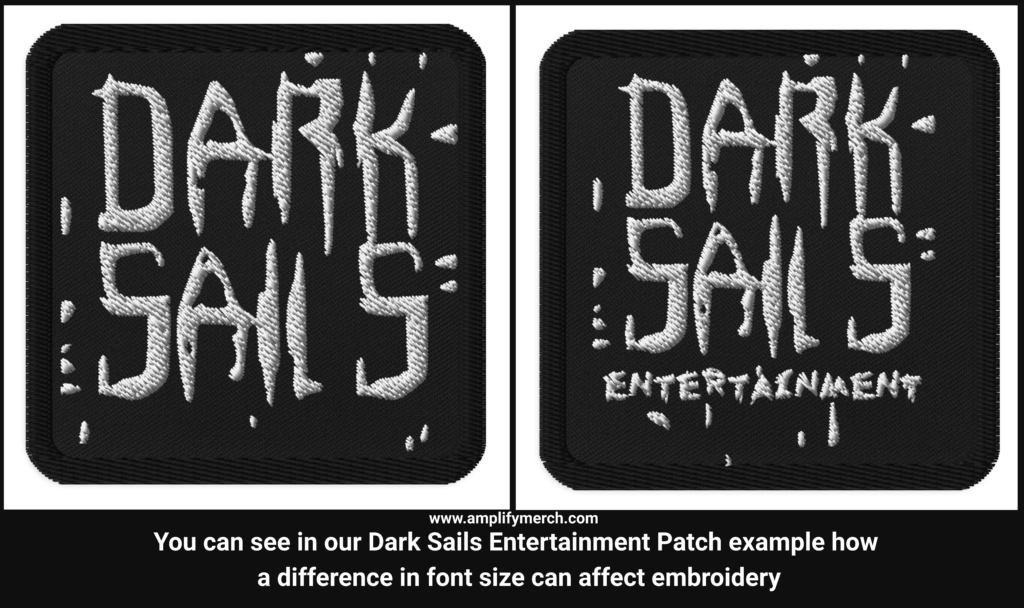
  1. Detail Limitations: Embroidery has limitations when it comes to very intricate designs or fine details. Since the stitches can only be so small, detailed elements like tiny text or intricate images may get blurred or lost. This is why logos with excessive detail or small text often do not perform well with embroidery.
  2. Size and Print Area: Many items available for embroidery have a limited area for printing. While you might be able to embroider a small logo on the chest, larger designs, such as a back logo on a t-shirt, are often better suited for other printing methods (DTF, DTG, or screen printing).
  3. Digitization: All artwork for embroidery needs to be digitized—a process where your design is converted into a file that can be read by embroidery machines. This step ensures your design is ready to be stitched accurately.

Color Options: Standard vs. Unlimited

  • Standard Colors: Ideal for simple, one-color logos or designs with minimal colors. Standard embroidery uses about 12 basic colors and is generally more affordable.
  • Unlimited Colors: Perfect for multicolored logos or intricate designs, including gradients. This option allows for more flexibility but comes with a higher setup cost.

Avoid These Common Issues

  • Negative Space: Avoid leaving too much empty space in your design, as it can cause uneven edges, puckering, and distortion. If your design has negative spaces, consider filling them with color or using larger gradients.
  • Small Details and Short Gradients: Small elements or gradients that don’t flow naturally can lead to poor quality in the final product. Opt for larger, more defined designs for the best results.

Flat vs. 3D Puff Embroidery

  • Flat Embroidery: This technique keeps the stitches flat against the fabric, making it ideal for logos and designs that are not overly complex. It works well with both standard and unlimited colors.
  • 3D Puff Embroidery: This technique raises the design of the fabric, giving it a more prominent, textured look. Best suited for bold shapes and text, 3D puff embroidery is not suitable for thin or detailed fonts, like calligraphy, and can’t be used on all fabric types or with all colors.

Best Locations for Embroidery

  • Front: Common placement for embroidery, particularly the left chest area, which is ideal for logos and text.
  • Side: Some hats allow for small side embroidery.
  • Back: Very few items have embroidery available on the back, as it often requires a larger print area that can be more expensive to produce.

What to Avoid in Embroidery Designs:

  1. Highly Detailed Images and Logos: These don’t perform well in embroidery because the stitching can’t capture the fine details.
  2. Small or Short Gradients: These can cause uneven stitching and may not come out well.
  3. Calligraphy/Scripts: Many scripts, particularly delicate ones, don’t translate well to embroidery due to their small size and complexity.
  4. Small Graphics (less than 0.86″ or 20mm): Small details can get lost or distorted.
  5. Distressed or Textured Graphics: These can be difficult to replicate with embroidery, and much of the detail may be lost.

What Doesn’t Work for Embroidery:

  • Photographic Images: Embroidery can’t replicate photographic images directly. These need to be simplified into solid shapes and colors.
  • Small Letters: Even if the letters are larger than 0.86″ (20mm), intricate fonts or small text can cause issues with color shifts or uneven stitching.

By keeping these guidelines in mind, you can make the most of embroidery for your custom merch and avoid common pitfalls, ensuring that your designs turn out crisp, professional, and visually appealing.

Click here to contact us today and find out more!

We can set you up with any of the below, all with custom high-quality embroidery to fit any budget.

  • Patches (Multiple shapes)
  • Hats (multiple styles)
  • Visors
  • T-shirts (multiple brands, styles, and colors)
  • Hoodies (multiple brands, styles, and colors)
  • Vests
  • Pants
  • Bags
  • Aprons
  • Socks
  • Jackets (multiple brands, styles, and colors)
  • Blankets
  • Infant and Toddler Products
  • Shorts

Shop Merch! Shop Septarian Shop Necrofear

Shop Dark Sails Entertainment Shop LS Music Promotions

How can you sell one t-shirt?

And why does it seem so expensive?

What is Print on Demand?

Print on demand (POD) is a fulfillment model where products like t-shirts, hoodies, mugs, and other merchandise are printed and shipped only after an order is placed. This approach eliminates the need for inventory, managing orders, or handling shipments directly. Each item is created as it’s ordered, which makes POD an ideal choice for creators, small brands, and bands looking to offer merch without the hassle of traditional logistics.

Why Does Print on Demand Seem Expensive?

Since each item is custom-made individually, the production costs are higher than ordering in bulk. With POD, the convenience and flexibility of producing on a per-order basis means paying a premium for each piece. There are no set up fees per order. No minimums. 

POD’s Popularity and Versatility

POD has grown popular across online platforms, even for high-priced “vintage” concert tees that capitalize on nostalgia and unique designs. Many of the funny quote shirts or custom designs found on Amazon and Etsy are also POD products, created by individual designers and fulfilled directly through a POD service.

For a small brand or band, POD removes the headache of predicting sizes, managing stock, and hauling boxes of merch from show to show. POD also allows you to offer a wider range of products and sizes without overextending yourself financially. So even if the per-item cost is a bit higher, you save in time, effort, an d upfront risk. When aligning with Amplify Merch, we simplify it even more, by handling the entire process for you, without any upfront costs. 

Why Amplify Merch for Your Brand?

At Amplify Merch, we offer a comprehensive merch solution that combines print on demand (POD) with a vast network of vendors, wholesale products, and both local and worldwide suppliers. Whether you’re looking for custom pieces, bulk items, or unique promotional products, we have the resources to bring your vision to life and help grow your brand. Here’s what sets us apart:

1. No Inventory, No Risk: Forget about predicting sizes or storing boxes of merch. POD means each item is made to order, so there’s no upfront inventory cost or risk of leftover stock.

2. Ultimate Convenience: With no order minimums or reordering logistics, POD lets you skip the headaches of traditional merch and focus on promoting your brand.

3. Versatility to Match Your Brand’s Needs:  From single items to bulk orders, promo products, banners, and more, Amplify Merch offers a range of options for any merch strategy. Whether it’s custom tees for your fans or bulk items for an event, we’re here to support it all. We also give you a webpage, for free! Our showcase page is free once you sign up with us, and lists all the social media and info you like, as well as your available products. We can do limited editions, online exclusive merch as well as “live show” exclusive items.

4. Wider Reach for Your Fans: Family, friends, and fans from anywhere can support your brand by ordering merch online, letting you grow your fanbase beyond live events.

5. Your Brand, Our Priorit y: Once you sign up with Amplify Merch, we become your biggest fans, dedicated to helping your brand thrive. From sourcing to order processing, our team works for you, ensuring every detail is handled.

6. All You Need is a Logo: Just provide your design or logo, and you’re ready to go. From hoodies to mugs, your brand can shine on a wide variety of products, all available online with minimal setup on your end.

With Amplify Merch, you’re not just getting a POD provider—you’re gaining a partner committed to helping you build your brand with ease and impact. Let us Amplify your merch and make your brand unforgettable.

Limitations of the Merch Table

For musicians, the merch table is a crucial component of their live shows. It’s where fans can snag a piece of memorabilia to remember the performance, and where artists can make some extra cash on the side. However, despite its importance, there are some limitations to the merch table that can hinder its effectiveness. From logistics issues to competition from online stores, musicians need to be aware of these drawbacks to maximize their merch sales.

Ah, the merch table. A staple at concerts, festivals, and events of all kinds. It’s the perfect place to snag some cool swag to commemorate your experience or show support for your favorite artist or band. Transporting and setting up a merch table is work. Sometimes you find your table is squeezed into a back corner with no lighting. Sometimes trying to sell items over the live music is pointless, and you end up trying to sell when the band isn’t playing. What about having someone monitor the table? Tracking money, and inventory. And when you have 10 fewer shirts than you started with and half of the money you should have, what do you do? Chances are whoever is working the merch table is a volunteer and having a good time. Distractions and alcohol… We’ve all been there. What if your merch volunteer doesn’t show up or runs off drunk? Then there’s payment processing accounts or point of sale, inventory management, cash box management, sales taxes. All good and necessary. On site sales are great to get out something quick at a show. BUT, a headache.

Everything has its limitations, and Merch is not any different.

Merch management allows for far greater selections in an online environment and a vastly larger consumer base. Our goal is to make this as easy as possible. Literally, a few emails and our clients receive an invoice and a check. Our objective is to take the burden of pushing products off of our clients so they can focus on what’s most important. A DAMN GOOD SHOW!!!

One of the main limitations of the merch table is its physical constraints. Depending on the venue’s size and the space’s layout, there may not be enough room for a full merch setup. This can result in a limited selection of items being available for sale, which may disappoint fans who are looking forward to purchasing a specific item. Additionally, the merch table can often get crowded and chaotic, especially after the show when everyone rushes to grab their merch.

Another drawback of the Merch table is Variety.  While merch tables often offer a wide range of products, there are still limits to what can be made available. Some artists may have limited resources or budgets, which means they can only offer a small selection of items. This can be frustrating for fans who are looking for something specific or unique.

Another limitation of the merch table is accessibility. Not everyone is able to attend live events and purchase merch in person. This can be a major disadvantage for fans who live in remote areas or who are unable to attend concerts for various reasons. While some artists offer online merch stores, not all do, which means that fans may miss out on the opportunity to purchase items that are only available at live events.

Quality is another important factor to consider when it comes to merch. While many suppliers ensure that their products are of high quality, some may cut corners or use inferior materials to save money. This can result in products that are not as durable or long-lasting as fans would like.

Price is another limitation that can affect fans’ ability to purchase merch. While many fans are willing to shell out some cash for a t-shirt or poster, not everyone can afford to spend a lot of money on merch. This can be especially true for younger fans or those on a tight budget.

But perhaps the biggest challenge of all is trying to sell items over live music. Picture this: the band is playing at full volume, the crowd is cheering, and you’re standing there with a stack of CDs in your hand, hoping someone will notice them. That’s why I’ve found that the best time to sell merch is when the band isn’t playing. It’s a delicate balance of timing and strategy, but it’s worth it when you see someone walk away with one of your products in hand.

Despite these limitations, the merch table is a crucial part of any artist’s income. It’s not just about selling products; it’s about connecting with fans and building a community around your music. When someone buys a t-shirt or a CD, it’s not just a transaction; it’s a token of support and appreciation for what you do. So the next time you find yourself setting up a merch table in a less-than-ideal location, remember that it’s all part of the job. Embrace the challenges, find creative solutions, and most importantly, keep smiling. Because at the end of the day, it’s all about sharing your music with the world and leaving a lasting impression on those who support you. So here’s to all the hard-working merch sellers out there, hustling to make a living in the music industry. Keep pushing through the obstacles, keep shining a light on your products, and most importantly, keep rocking on. The merch table may have its limitations, but it’s also a valuable opportunity to showcase your art and connect with your audience. And that’s something worth celebrating.

By having a clear plan for payment processing, accounts, and payouts, you can avoid any potential headaches and focus on what’s important – playing great music and connecting with your fans.

Here at Amplify Merch, we can’t fix those issues for you. What we can offer, is a quick solution, when you aren’t able to run a Merch Table. You can give out the QR CODES by text, email, or physical cards.

We can provide you with a seamless online merch management system. With just a few clicks, you can give out QR codes to your customers via text, email, or physical cards, allowing them to browse and purchase your merchandise from the convenience of their own devices.

In addition to our online merch management services, we also offer bulk items for your merch table. Whether you need t-shirts, hats, stickers, or any other type of merchandise in large quantities, we can handle it all. Simply give us a call or shoot us an email with your order and we’ll take care of the rest. We can customize a variety of products for your fans, band members, and gifts.  We can create limited editions, and show or event-specific.

We understand that running events can be chaotic and unpredictable, which is why we’re here to make things as smooth and stress-free as possible for you. Let us work FOR YOU!

Give us a call or send us an email today to learn more about how Amplify Merch can help you with all of your merchandising needs. From online merch management to bulk items for your merch table, we’ve got you covered.